MRI repair without shutting down the clinic: how to organise the process and minimise downtime
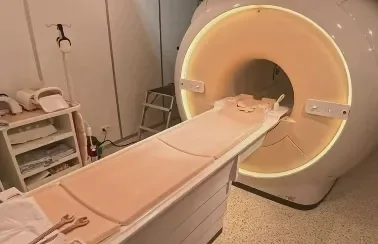
Well-organised MRI repair cuts downtime and keeps the quality of care steady. This article gives practical steps to help a clinic's manager and engineer set up the process so that service goes as smoothly as possible.
Preparing for the repair: what to do before the engineers arrive
Before work starts, it's important to record the current state of the equipment and prepare the infrastructure. This saves hours of diagnostics and reduces the risk of unexpected delays.
What to do in advance:
- Gather the full set of operating documents: the equipment passport, maintenance logs and reports on previous repairs — all of this speeds up diagnosis.
- Prepare access to the equipment room: clear the passages, check power and ventilation, and make sure the room is ready for handling heavy components.
- Agree on a schedule: find “windows” for the work when the scanner's workload is lowest, and move patients to other shifts or machines in advance.
- Take stock of consumables and critical spare parts — this shows right away what needs to be ordered.
At this stage it helps to order parts in advance: for example, if seals or filters are likely to need replacing, having them on hand will shorten the overall MRI repair time. You can find and order the components you need in our MRI parts catalogue.
Logistics and working with the contractor
When the contractor arrives on site, a lot depends on how clearly task handover and stage control are organised.
Key points:
- Appoint a responsible clinic engineer — they will be the point of contact for all questions and will speed up decisions.
- Agree on the reporting format right away: a short daily status, before/after photos of components and a list of replaced parts.
- If the repair involves the cryogenic system, plan the logistics of the MRI helium refill in advance: it's a separate operation that's best planned in parallel with the main repair so as not to lose time on repeat visits.
This approach avoids “downtime caused by approvals” and keeps deadlines under control.
Communicating with patients and redistributing the workload
Even with good organisation, some scans will have to be rescheduled. It's important to plan in advance how to inform patients and keep dissatisfaction from growing.
Practical steps:
- 3–5 days before work starts, post a notice on the clinic website and in the waiting area with the dates, the reason and alternative booking options.
- Set up an automatic reply at reception and on the hotline: the message should include the downtime dates, contacts for rescheduling and a list of available alternatives.
- Spread the workload across other machines or arrange a temporary patient exchange with partner centres — this reduces inconvenience for patients and keeps planned volumes.
Practical takeaways
- Plan MRI repairs in advance: the earlier the dates are agreed and the documents gathered, the lower the risk of unplanned delays.
- Keep a list of critical spare parts at hand and order them in advance — this shortens the overall job.
- Keep communication transparent within the clinic and with patients: clear timelines and clear alternatives reduce stress and maintain trust.
If you want to set up a clear procedure for your centre and get advice on MRI repair, the cryos.pro specialists will help you find the best work plan.